
Businesses across every sector face increasing pressure to deliver exceptional customer experiences while managing operational costs. A call center agency offers specialized expertise and infrastructure to handle customer interactions at scale, freeing internal teams to focus on core competencies. Whether you need inbound support, outbound sales campaigns, or technical assistance, selecting the right partner requires understanding the landscape of modern contact center operations, technology platforms, and compliance frameworks that underpin successful outsourcing relationships.
Understanding the Call Center Agency Landscape
The contact center industry has evolved dramatically over the past decade. Traditional phone-only operations have transformed into omnichannel hubs that integrate voice, email, chat, social media, and emerging channels into unified customer journeys. When evaluating a call center agency, businesses must look beyond simple cost-per-hour metrics to assess technological sophistication, agent training methodologies, and operational flexibility.
Modern agencies differentiate themselves through proprietary platforms that consolidate customer data, automate routine tasks, and provide real-time visibility into performance metrics. Organizations should prioritize providers that demonstrate clear alignment between their technology stack and your business requirements. The most effective partnerships emerge when an agency's capabilities directly address your specific pain points, whether that's reducing average handle time, increasing first-call resolution, or scaling capacity during peak seasons.
Geographic Considerations and Market Positioning
Location matters significantly in the call center agency selection process. European providers, particularly those operating in Romania and neighboring markets, offer compelling advantages including multilingual capabilities, cultural affinity with Western European customers, and competitive labor costs without compromising service quality. Time zone alignment ensures that support windows match customer activity patterns, reducing response delays and improving satisfaction scores.
Key location factors to evaluate:
- Language proficiency and accent neutrality for target markets
- Cultural understanding of customer expectations and communication styles
- Labor market depth and agent retention rates
- Infrastructure reliability including internet connectivity and power stability
- Regulatory environment and data protection compliance frameworks
Technology Integration and Platform Capabilities
A sophisticated call center agency distinguishes itself through the platforms and tools it deploys. CRM integration, ticketing systems, and workforce management software form the foundation of efficient operations. Advanced providers now incorporate AI-powered capabilities that augment human agents rather than simply replacing them.
Voice analytics platforms can identify customer sentiment in real time, flagging escalations before they become critical. Quality assurance tools automatically score interactions against defined criteria, providing immediate feedback to agents and supervisors. These technologies generate actionable insights that drive continuous improvement across every dimension of service delivery.

Organizations implementing managed IT services alongside their contact center operations achieve better outcomes through tighter technical coordination. When infrastructure management and customer service delivery operate under aligned governance, troubleshooting becomes faster and system reliability improves measurably.
AI and Automation in Modern Contact Centers
Artificial intelligence has moved from experimental novelty to operational necessity in 2026. Leading call center agency partners now deploy conversational AI agents capable of handling routine inquiries while seamlessly transferring complex issues to human specialists. These systems learn from every interaction, continuously refining their response accuracy and expanding the scope of queries they can resolve independently.
The most sophisticated implementations use natural language processing to understand customer intent regardless of how questions are phrased. Romanian-language AI capabilities, for instance, enable agencies to serve local markets with the same automation sophistication previously available only in English or major European languages. This democratization of AI technology levels the competitive playing field for businesses operating in smaller language markets.
| Automation Type | Use Case | Implementation Complexity | ROI Timeline |
|---|---|---|---|
| IVR Systems | Call routing, basic queries | Low | 3-6 months |
| Chatbots | FAQ, account lookups | Medium | 6-12 months |
| Voice AI | Conversational support | High | 12-18 months |
| Predictive Analytics | Capacity planning, churn prediction | Medium | 9-15 months |
Service Level Agreements and Performance Metrics
Performance measurement separates professional call center agency operations from amateur implementations. SLAs define contractual commitments around availability, response times, resolution rates, and quality standards. COPC standards provide industry-recognized frameworks for establishing and monitoring these metrics, ensuring both parties operate with shared expectations.
Critical KPIs include average speed of answer (ASA), abandonment rate, first-call resolution (FCR), customer satisfaction score (CSAT), and net promoter score (NPS). Each metric reveals different operational dimensions. High abandonment rates suggest understaffing or inefficient routing, while low FCR indicates knowledge gaps or system limitations preventing agents from fully resolving issues on initial contact.
Establishing Realistic Benchmarks
Industry benchmarks provide useful reference points, but every business requires customized targets reflecting its unique customer base and service complexity. Financial services contacts typically demand longer handle times than e-commerce order inquiries due to verification requirements and regulatory obligations. Technical support for software products requires deeper specialized knowledge than general customer service.
When negotiating SLAs with a call center agency, build in provisions for gradual improvement rather than demanding immediate perfection. A realistic ramp-up period allows agents to develop product expertise and process familiarity. Quarterly reviews enable both parties to adjust targets based on actual performance data and evolving business requirements.
Essential SLA components:
- Service availability guarantees (typically 99.5% or higher)
- Response time commitments by channel and priority level
- Quality assurance scoring methodology and minimum thresholds
- Escalation procedures for urgent issues or service disruptions
- Reporting frequency and dashboard access provisions
- Financial remedies for sustained performance shortfalls
Compliance and Security Considerations
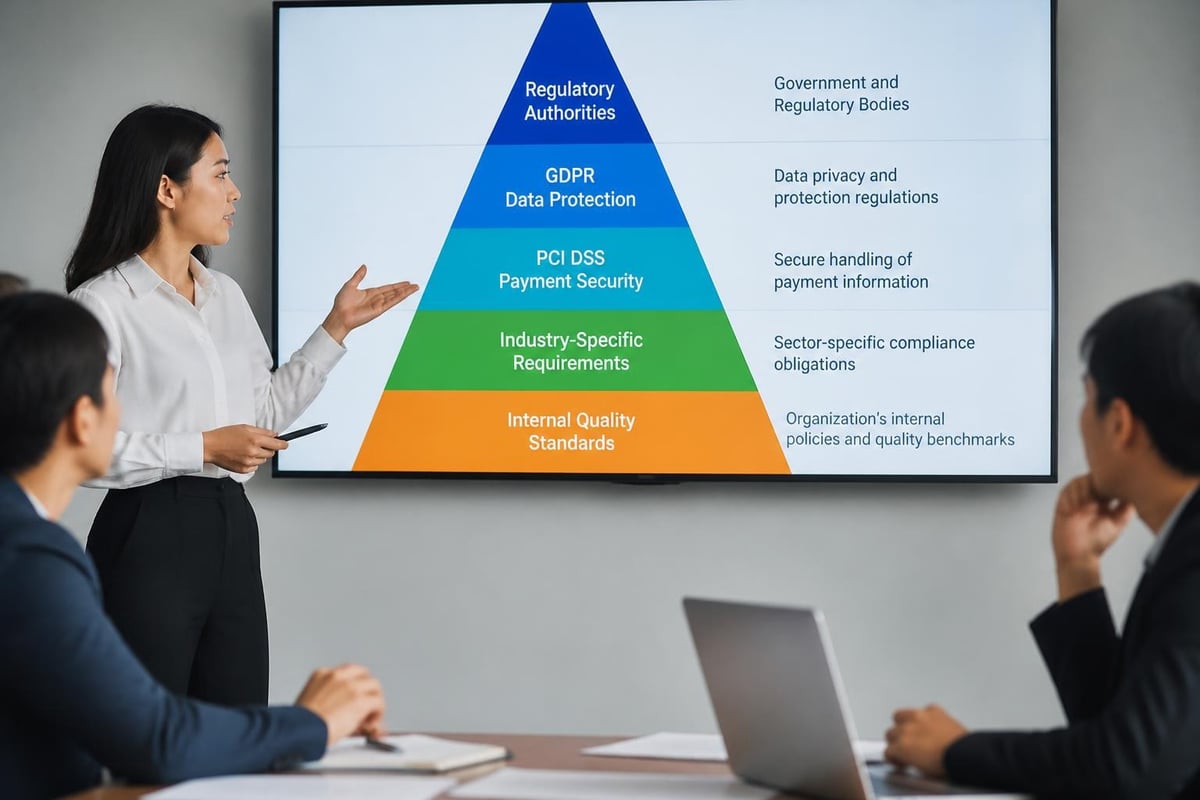
Regulatory compliance represents a non-negotiable requirement in call center agency selection. Organizations handling customer data must demonstrate adherence to GDPR, PCI DSS for payment information, and sector-specific regulations governing healthcare, financial services, and other sensitive industries. The PCI Security Standards Council guidance provides detailed requirements for telephone-based payment card data handling that every compliant agency must implement.
Data residency requirements increasingly influence location decisions. European regulations often mandate that customer information remain within EU borders, making providers in Romania and similar jurisdictions attractive for businesses serving European markets. Agencies should provide clear documentation of their data handling practices, security certifications, and audit readiness.
Identity Verification and Authentication Protocols
Contact centers present unique authentication challenges. Agents must verify caller identity without creating friction that degrades customer experience. Multi-factor authentication approaches balance security with usability, combining knowledge factors (account numbers, security questions) with behavioral signals (caller history, device fingerprinting). NIST digital identity guidelines offer frameworks for implementing appropriate authentication strength based on transaction risk.
Recording and quality monitoring systems must comply with consent requirements that vary by jurisdiction. Some regions require proactive notification and explicit customer agreement before recording conversations, while others permit recording with reasonable notice. A competent call center agency navigates these variations seamlessly, implementing appropriate controls for each market served.
Workforce Management and Agent Development
Agent quality directly determines customer experience outcomes. The best call center agency partners invest heavily in recruitment, training, and retention programs that build stable, skilled teams. High turnover undermines service consistency and increases operational costs as new hires require training before reaching full productivity.
Comprehensive onboarding programs typically span 2-4 weeks, covering product knowledge, system navigation, soft skills, and specific process workflows. Ongoing training refreshes maintain competency as products evolve and new features launch. Advanced agencies implement micro-learning modules that deliver targeted skill development without removing agents from active duty for extended periods.
Performance coaching transforms raw metrics into behavioral improvement. Rather than simply reporting that an agent's average handle time exceeds targets, effective coaching identifies root causes like inefficient system navigation or inadequate product knowledge and provides targeted remediation. ICMI resources offer evidence-based guidance on contact center operations including agent development best practices.
Multilingual Capabilities and Cultural Competence
Global businesses require multilingual support that goes beyond simple translation. Cultural nuance influences communication preferences, expectations around formality, and acceptable resolution timeframes. A Romanian call center agency serving Western European markets must train agents not just in language vocabulary but in cultural context that shapes customer interactions.
Language proficiency assessment should examine both comprehension and expression across varying accents and dialects. Native speakers may still require training in industry-specific terminology and formal business communication conventions. Bilingual agents command premium compensation but deliver measurable value through expanded market coverage and reduced transfer rates.
Cost Structures and Financial Modeling
Pricing models vary significantly across call center agency providers. Per-minute billing suits unpredictable volume patterns, while full-time equivalent (FTE) arrangements provide cost certainty for stable operations. Hybrid models combine baseline capacity with overflow provisions that activate during peaks, balancing budget predictability with surge flexibility.
| Pricing Model | Best For | Advantages | Considerations |
|---|---|---|---|
| Per-Minute | Variable volume, seasonal businesses | Pay only for usage, no minimum commitments | Higher per-contact cost, potential quality variability |
| FTE (Dedicated) | Consistent volume, specialized needs | Dedicated resources, deep product knowledge | Fixed costs regardless of volume fluctuations |
| Blended Rate | Growing businesses | Simplicity, predictable budgeting | May not optimize costs across all scenarios |
| Performance-Based | Outcome-focused initiatives | Aligns incentives with results | Complex measurement, potential metric gaming |
Total cost of ownership extends beyond hourly rates to include setup fees, technology integration costs, training investments, and ongoing management overhead. A seemingly expensive call center agency may deliver superior value through higher FCR rates that reduce total contact volume and improve customer retention. Financial modeling should incorporate these downstream effects rather than focusing solely on per-contact costs.
Hidden Costs and Contract Considerations
Contract terms significantly impact long-term costs and flexibility. Minimum volume commitments lock businesses into capacity they may not need during slow periods. Early termination fees can trap organizations in underperforming relationships. Conversely, favorable terms like quarterly volume adjustments and 90-day termination windows provide needed flexibility as business conditions evolve.
Technology licensing and platform access fees sometimes appear as separate line items beyond agent time. Clarify whether CRM access, reporting dashboards, and API connectivity carry additional charges. Some agencies bundle these capabilities into all-inclusive rates, while others itemize every component separately.
For businesses seeking comprehensive support, Call Center Services available 24x7 provide around-the-clock coverage with transparent pricing structures that eliminate surprise fees and ensure predictable monthly costs aligned with service delivery.
Industry-Specific Expertise and Vertical Specialization
Vertical specialization enables a call center agency to deliver superior results through accumulated domain expertise. Healthcare contact centers understand HIPAA requirements, medical terminology, and patient communication sensitivities. Financial services providers implement the heightened security protocols and regulatory knowledge essential for handling sensitive account information. E-commerce specialists optimize for rapid order processing and returns management.
When evaluating potential partners, examine their client roster and case studies for evidence of relevant experience. Forrester's contact center platform analysis provides vendor-agnostic assessments that help businesses understand which providers excel in specific vertical markets and use cases.
Ask detailed questions about process customization capabilities. Generic scripts and rigid workflows rarely accommodate the nuances that differentiate your business from competitors. The best agencies view implementation as collaborative design, adapting their operational playbooks to reflect your brand voice, policies, and customer expectations.

Technical Support and Helpdesk Operations
Technical support represents a specialized subset of contact center operations requiring deeper product knowledge and troubleshooting methodology. Helpdesk agents must navigate complex decision trees, access internal documentation systems, and often escalate issues to engineering teams when first-line resolution proves impossible.
Tiered support models distribute contacts by complexity. Level 1 agents handle password resets and common issues documented in knowledge bases. Level 2 specialists tackle more sophisticated problems requiring system access or configuration changes. Level 3 engineering involvement occurs only for novel issues or product defects requiring code-level remediation.
Effective technical support operations maintain detailed knowledge bases that capture resolution procedures, known issues, and workaround techniques. These resources enable consistent troubleshooting regardless of which agent answers a particular call. Regular updates ensure documentation reflects current product versions and recent discoveries from support interactions.
Scaling and Capacity Planning
Business growth requires contact center capacity to scale proportionally. A competent call center agency provides clear pathways for volume expansion without service degradation. Capacity planning models forecast staffing needs based on historical patterns, seasonal variations, and anticipated growth trajectories.
Rapid scaling presents particular challenges. New product launches, marketing campaigns, or viral social media attention can generate contact surges that overwhelm unprepared operations. Cloud-based platforms enable faster capacity activation than traditional infrastructure, but agent recruitment and training still require lead time. Discussing surge capacity protocols during vendor selection ensures you understand response capabilities before emergencies arise.
Scaling considerations:
- Lead time for adding new agent teams (typically 4-8 weeks)
- Maximum sustainable growth rate without quality degradation
- Overflow routing options during unexpected volume spikes
- Technology infrastructure limits (concurrent users, system throughput)
- Cross-training opportunities for flexible resource deployment
Reporting and Business Intelligence
Data-driven decision making requires comprehensive reporting that transforms raw interaction data into strategic insights. Modern call center agency platforms generate dashboards tracking real-time performance, historical trends, and predictive forecasts. Custom reporting capabilities ensure you receive the specific metrics and breakdowns your business requires for informed management.
Beyond operational metrics, advanced analytics identify improvement opportunities across the customer journey. Speech analytics detect recurring complaint themes, enabling proactive product fixes or policy adjustments. Customer effort scoring reveals friction points where processes unnecessarily complicate simple transactions. Journey analytics map the complete interaction history surrounding specific outcomes like purchases or churn events.
API access enables integration between contact center data and broader business intelligence platforms. When customer service insights combine with sales data, website analytics, and financial metrics, organizations gain holistic understanding of customer behavior and value. This integration transforms contact centers from cost centers into strategic assets generating competitive intelligence.
Selecting the right call center agency requires balancing multiple dimensions including technology sophistication, compliance rigor, cost efficiency, and cultural fit. By establishing clear requirements, conducting thorough due diligence, and maintaining realistic expectations during implementation, businesses position themselves for outsourcing success that enhances customer satisfaction while controlling operational expenses. InfraWeb delivers comprehensive contact center solutions from Romanian facilities, combining advanced HELION platform capabilities with experienced multilingual agents ready to represent your brand with professionalism and expertise across inbound support, outbound campaigns, and technical helpdesk operations.